Common use
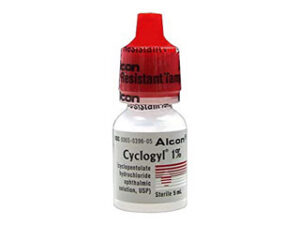
Tropicamide is an anticholinergic eye drop used primarily to dilate the pupil (mydriasis) and temporarily paralyze the eye’s focusing muscle (cycloplegia). It is commonly used before eye examinations, diagnostic procedures, or eye surgery to allow better visualization of the retina and other internal structures. By relaxing the muscles in the eye, tropicamide makes it easier for ophthalmologists to perform accurate evaluations. It is also used in some cases to treat certain inflammatory eye conditions.
Dosage and direction
Tropicamide is usually administered as 1 or 2 drops in the eye about 15–30 minutes before an eye exam. The dosage and frequency depend on the purpose of use and the patient’s age and response. Hands should be washed before use, and the dropper should not touch the eye or other surfaces. After applying, gently press on the tear duct for 1–2 minutes to minimize systemic absorption.
Precautions
Before using tropicamide, inform your doctor if you have glaucoma (especially angle-closure type), allergies, or heart problems. It may cause temporary blurred vision and light sensitivity, so patients should avoid driving or operating machinery until their vision returns to normal. Use with caution in infants, elderly patients, and those with Down syndrome. Protective sunglasses may help reduce discomfort from dilated pupils.
Contraindications
Tropicamide should not be used in patients with known hypersensitivity to tropicamide or similar drugs. It is contraindicated in those with untreated narrow-angle glaucoma due to the risk of increased intraocular pressure. Use in neonates and small children should be done with extreme caution. It is not intended for long-term or continuous use.
Possible side effect
Common side effects include blurred vision, stinging or burning upon application, increased light sensitivity, and eye redness. In some cases, systemic effects such as dry mouth, headache, drowsiness, or increased heart rate may occur, especially in young children. Rare but serious reactions include allergic reactions or acute glaucoma attack. Seek immediate help if severe eye pain or vision loss occurs.
Drug interaction
Although topical, tropicamide can interact with other anticholinergic medications, glaucoma treatments, or drugs that affect the central nervous system. Combining with medications that increase intraocular pressure may worsen side effects. Inform your healthcare provider about all prescription and nonprescription drugs you are using. Systemic absorption is low but still possible, especially in children.
Missed dose
Since tropicamide is often used as a single or occasional dose before procedures, missed doses are uncommon. If used for ongoing treatment, apply the missed dose as soon as remembered. Skip it if it’s almost time for the next one, and never use extra drops to compensate. Follow the prescribed schedule carefully.
Overdose
Overuse or accidental ingestion of tropicamide, especially in children, may cause restlessness, dry skin, hallucinations, fast heartbeat, or seizures. Eye overdose may lead to prolonged dilation or increased intraocular pressure. Emergency medical attention is required if systemic symptoms occur. Store the medication safely to avoid accidental exposure.
Storage
Store tropicamide at room temperature (15°C to 25°C / 59°F to 77°F), away from light and moisture. Keep the bottle tightly closed and upright when not in use. Do not freeze, and discard if the solution changes color or becomes cloudy. Keep out of reach of children and pets.
Disclaimer